
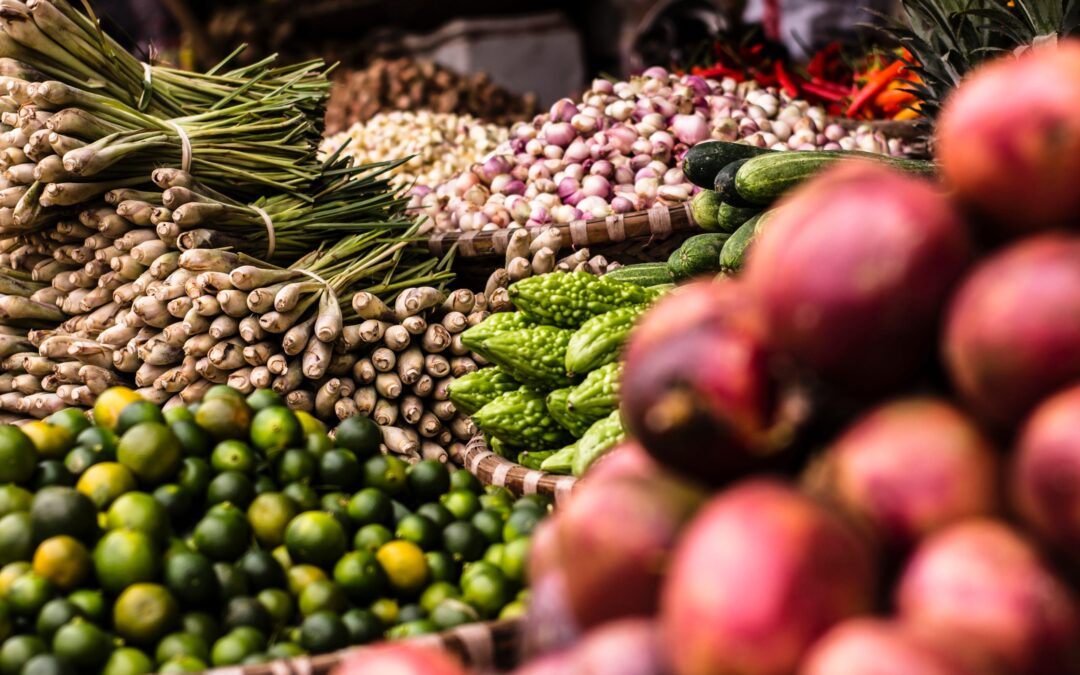
Thai food is recognized around the world for its balance of fresh herbs, aromatic spices, and bold flavors. While ingredients such as chili, coconut milk, lime, and basil are often associated with Thai cooking, one herb plays a particularly important role in creating the distinctive aroma of many Thai dishes.
That ingredient is lemongrass.
Lemongrass in Thai cuisine is valued for its fresh citrus aroma, subtle sweetness, and ability to add depth to soups, curries, marinades, and beverages.
For centuries, Thai cooks have used lemongrass as a key ingredient to create layers of flavor. It adds freshness without overpowering other ingredients, making it one of the essential herbs behind many traditional Thai dishes.
At Indulge Fusion Food & Cocktail Bar, Thai-inspired flavors are combined with modern dining concepts. The restaurant uses the same philosophy found in Thai cooking by balancing fresh ingredients, aromatic flavors, and creative combinations across its menu and drinks.
What Is Lemongrass?
Lemongrass is a tropical herb known for its long green stalks and refreshing citrus aroma.
Although it has a slight resemblance to grass, its flavor is closer to lemon with subtle floral and herbal notes.
In Thai cooking, lemongrass is commonly used fresh. The lower part of the stalk contains the strongest flavor and is often sliced, crushed, or added to dishes to release its aroma.
The herb is especially popular because it adds freshness while complementing other strong Thai ingredients such as:
- Chili
- Garlic
- Galangal
- Kaffir lime
- Coconut milk
- Thai basil
Together, these ingredients create the complex flavors that make Thai food unique.
Why Lemongrass Is Important in Thai Cooking
Thai cuisine focuses on creating balance.
A single dish often combines multiple flavors:
- Spicy
- Sour
- Sweet
- Salty
- Aromatic
Lemongrass contributes mainly through its citrus and herbal qualities.
It helps create freshness in rich dishes and adds brightness to spicy or creamy recipes.
For example, in Tom Yum, lemongrass works alongside chili, lime, and herbs to create the soup’s famous aromatic character.
Without ingredients like lemongrass, many Thai dishes would lose the layered flavors that make them recognizable.
Lemongrass in Traditional Thai Dishes
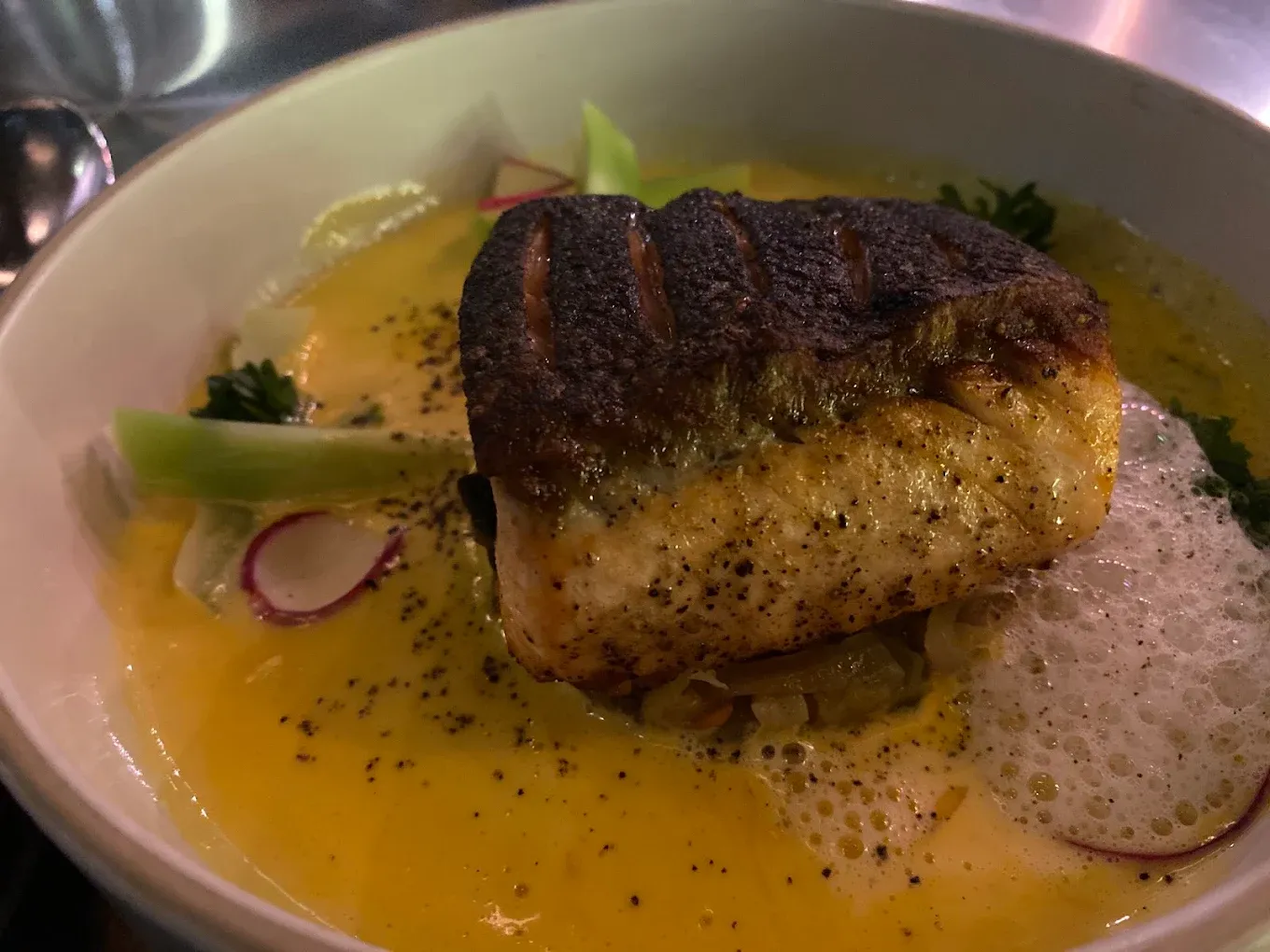
Lemongrass appears in many well-known Thai dishes.
Tom Yum
Tom Yum is one of Thailand’s most famous dishes internationally.
The soup is known for its combination of:
- Lemongrass
- Kaffir lime leaves
- Galangal
- Chili
- Lime juice
These ingredients create the balance of spice, acidity, and fragrance that defines Tom Yum.
Tom Kha Gai
Tom Kha Gai is another popular Thai soup where lemongrass plays an important role.
The combination of coconut milk, lemongrass, galangal, and chicken creates a smoother and creamier flavor profile compared with Tom Yum.
Thai Curries
Many Thai curry pastes include lemongrass because it adds freshness and complexity to the spice mixture.
It works together with ingredients such as chili, garlic, and herbs to create the foundation of many curry recipes.
The Role of Lemongrass in Modern Thai Cuisine
Thai cooking continues to evolve.
While traditional dishes remain an important part of Thai food culture, modern restaurants are finding new ways to use classic ingredients.
Today, chefs use lemongrass in:
- Contemporary Thai dishes
- Fusion cuisine
- Cocktails
- Desserts
- Marinades
- Seafood preparations
This reflects how Thai ingredients can move beyond traditional recipes while maintaining their original character.
Modern Thai dining is not about replacing tradition. It is about exploring new ways to experience familiar flavors.
Lemongrass and Thai Fusion Food Bangkok

The growth of Thai fusion food Bangkok has created more opportunities to showcase traditional Thai ingredients in creative ways.
Fusion restaurants often combine Thai herbs with international ingredients, creating dishes that feel familiar but different.
For example, a chef may pair Thai-inspired flavors with:
- Premium seafood
- International meats
- Modern cooking techniques
- Contemporary presentations
This approach allows guests to experience Thai ingredients from a new perspective.
How Indulge Brings Thai-Inspired Flavors Together
At Indulge Fusion Food & Cocktail Bar, the menu reflects the idea that great food comes from balancing flavors and ingredients.
The restaurant combines Thai influences with international dining concepts, creating dishes that highlight the creativity of modern Bangkok cuisine.
Several menu items demonstrate how Thai flavors can work with contemporary ingredients.
Tom Yum Inspired Papilotte Salmon
Tom Yum is one of the best examples of how lemongrass contributes to Thai flavors.
At Indulge, the Papilotte Salmon combines salmon with Tom Yum bouillon, tomato confit, lotus seeds, and spinach.
The dish uses the aromatic character associated with Thai cooking while presenting it through a modern seafood preparation.
The result is a contemporary dish inspired by traditional Thai flavors.
Thai-Inspired Sharing Plates
Sharing is an important part of Thai dining culture.
Many Thai meals involve ordering several dishes and enjoying different flavors together.
At Indulge, the Starters & Sharing menu follows this approach with dishes designed for exploring different tastes.
Guests can enjoy options such as:
- Tom Yum Fries
- Shrimp Popcorn
- Crispy Fried Spring Rolls
- Red Curry Chicken Confit
- Calamari Fritters
These dishes allow guests to experience Thai-inspired flavors in a relaxed and social way.
Lemongrass Beyond Food: Thai-Inspired Drinks
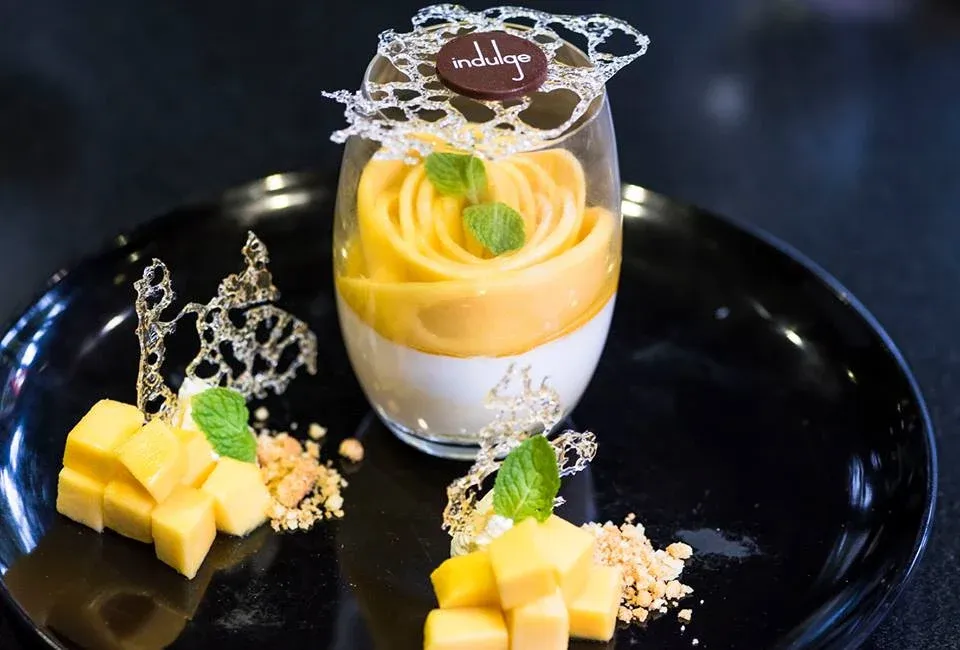
Thai ingredients are also influencing Bangkok’s cocktail culture.
Lemongrass, basil, tropical fruits, and herbs are increasingly used in drinks because they provide fresh and aromatic flavors.
At Indulge, the drinks menu follows this connection between local ingredients and modern creations.
The Thai Basil Smash combines Thai sweet basil with gin, lemon, and lime, showing how Thai ingredients can inspire contemporary beverages.
Exploring Thai Flavors in Bangkok
For visitors exploring Bangkok, understanding ingredients such as lemongrass can make dining experiences more meaningful.
Instead of simply ordering a dish, guests begin to recognize the flavors behind it.
They can understand why Tom Yum feels fresh, why curries have depth, and why Thai dishes often combine several different tastes in one meal.
Restaurants that highlight Thai-inspired ingredients provide an opportunity to experience this food culture in a more complete way.
Experience Thai-Inspired Dining at Indulge Bangkok
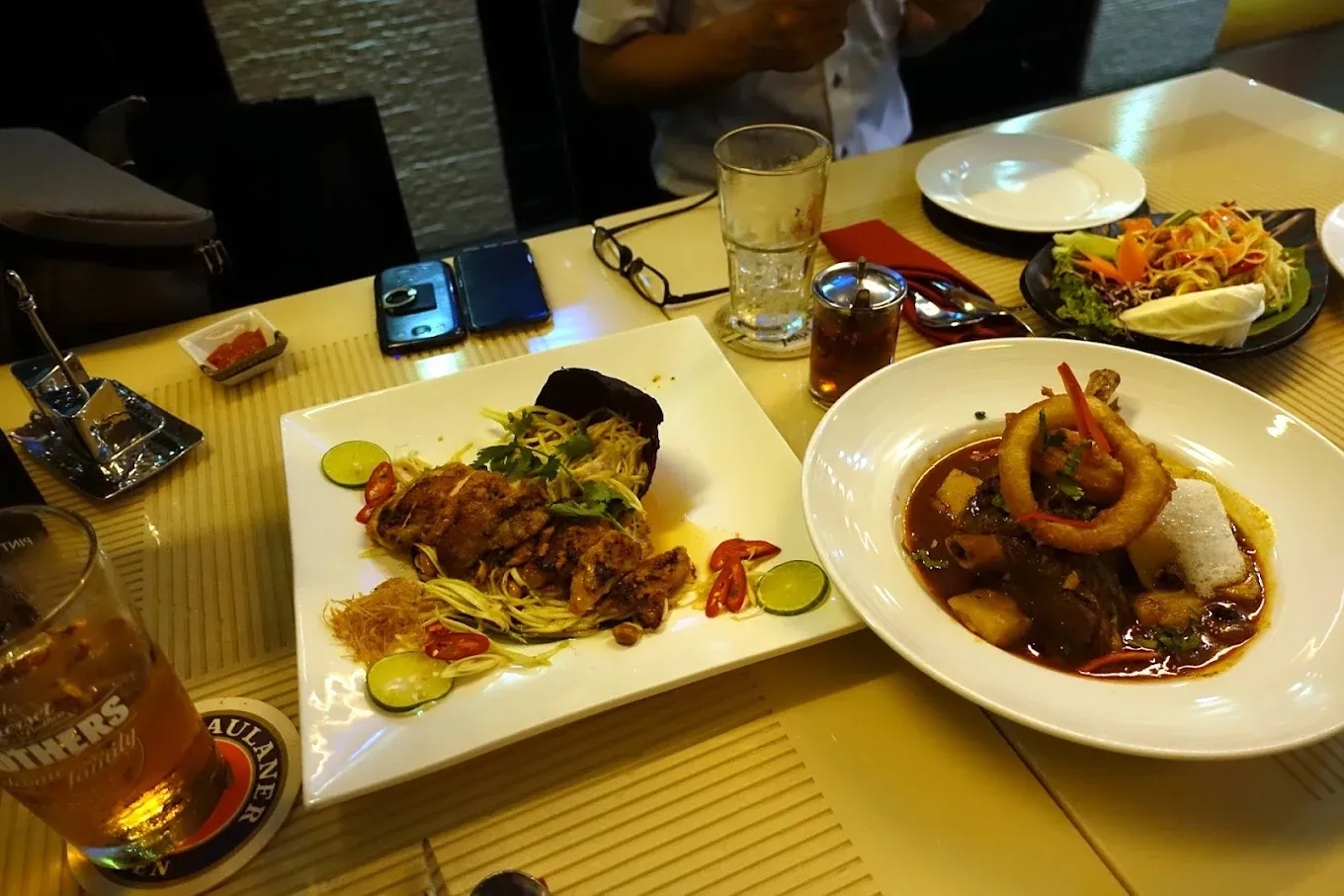
Lemongrass in Thai cuisine represents the importance of fresh herbs and balanced flavors in Thai cooking.
From traditional soups and curries to modern fusion dishes and cocktails, lemongrass continues to influence how people experience Thai food.
At Indulge Fusion Food & Cocktail Bar, guests can explore Thai-inspired flavors through contemporary dishes, creative drinks, sharing plates, and Signature Mains.
By combining traditional Thai ingredients with international influences, Indulge creates a modern Bangkok dining experience that respects the foundations of Thai cooking while introducing new ideas.
Whether you are discovering Thai food for the first time or exploring new interpretations of familiar flavors, Indulge offers a place where tradition and creativity come together.
FAQ: Lemongrass in Thai Cuisine
Why is lemongrass used in Thai cooking?
Lemongrass is used because it adds a fresh citrus aroma and helps balance the flavors of many Thai dishes.
What Thai dishes use lemongrass?
Popular dishes that use lemongrass include Tom Yum, Tom Kha Gai, Thai curry pastes, and many grilled dishes.
Does lemongrass make Thai food spicy?
No. Lemongrass adds aroma and freshness but does not create heat. Spice usually comes from chili.
Where can I experience Thai-inspired dishes in Bangkok?
Indulge Fusion Food & Cocktail Bar offers Thai-inspired dishes that combine traditional flavors with modern culinary techniques in Sukhumvit.