
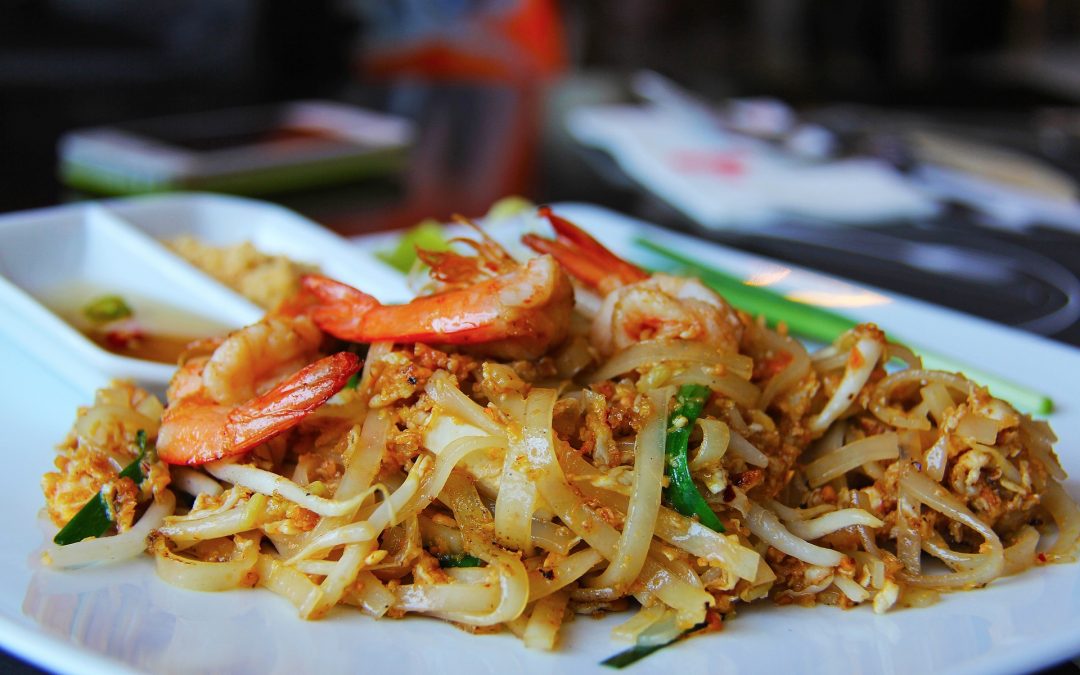
Thailand is known worldwide for its incredible food culture, but Thai cuisine is much more diverse than the popular dishes most visitors recognize.
While dishes such as Pad Thai, Tom Yum, Green Curry, and Mango Sticky Rice have become internationally famous, every region of Thailand has its own unique culinary identity.
From the herbal dishes of Northern Thailand to the bold flavors of Isan, the seafood-focused cuisine of the South, and the refined dishes of Central Thailand, regional Thai food reflects the country’s geography, history, and local traditions.
For visitors exploring Bangkok, experiencing different regional influences is one of the best ways to understand Thai food culture.
Modern restaurants in Bangkok continue to bring these traditions together by combining authentic Thai flavors with contemporary cooking techniques.
At Indulge Fusion Food & Cocktail Bar, guests can experience this evolution through Thai-inspired dishes that respect traditional flavors while introducing modern ingredients and presentation styles.
Understanding Regional Thai Food
Thailand’s food culture developed differently across each region because of differences in:
- Geography
- Climate
- Local ingredients
- Cultural influences
- Historical connections
Coastal regions naturally developed seafood-based dishes, while agricultural areas focused more on rice, herbs, vegetables, and locally available ingredients.
Neighbouring countries also influenced regional cooking styles. Thailand’s location in Southeast Asia allowed different cultures to contribute ingredients, techniques, and flavours that became part of local cuisine.The result is a food culture where each region offers something unique while still sharing the balance of flavors that defines Thai cooking.
The Four Main Regions of Thai Food
Thailand is generally divided into four major culinary regions:
- Northern Thailand
- Northeastern Thailand (Isan)
- Central Thailand
- Southern Thailand
Each region has its own signature dishes and flavor profiles.
Understanding these differences makes exploring Thai food more interesting because every dish tells a story about where it comes from.
Northern Thai Food: Herbs, Slow Cooking and Traditional Flavors
Northern Thailand has a cooler climate and a food culture influenced by neighboring regions such as Myanmar, Laos, and China.
Northern Thai food is often known for:
- Mild but aromatic flavors
- Fresh herbs
- Slow-cooked dishes
- Grilled meats
- Unique local ingredients
Some famous Northern Thai dishes include:
- Khao Soi
- Sai Ua (Northern Thai sausage)
- Nam Prik Ong
- Gaeng Hang Lay
Khao Soi is one of the best-known Northern Thai dishes. It combines egg noodles with a rich curry broth, crispy noodles, and pickled vegetables.
Unlike many central Thai curries, Northern dishes often focus more on aromatic herbs and deeper, earthy flavors.
This regional style shows how Thai food changes depending on the environment and local traditions.
Northeastern Thai Food (Isan): Bold and Spicy Flavors
The northeastern region of Thailand, commonly known as Isan, has one of the country’s most distinctive food cultures.
Isan food is famous for:
- Strong flavors
- Spicy dishes
- Fresh herbs
- Fermented ingredients
- Grilled meats
Popular Isan dishes include:
- Som Tam
- Larb
- Grilled chicken
- Sticky rice
Som Tam, or Thai green papaya salad, is one of Thailand’s most recognized dishes worldwide.
It combines:
- Green papaya
- Chili
- Lime
- Fish sauce
- Garlic
- Peanuts
The dish represents the balance that makes Thai food unique, combining spicy, sour, salty, and slightly sweet flavors in one preparation.
Isan cuisine shows how simple ingredients can create powerful and memorable dishes.
Central Thai Food: The Foundation of Bangkok Dining
Central Thailand, including Bangkok, has played a major role in shaping Thai food culture.
The region benefits from fertile land, rivers, and historical connections with different cultures.
Central Thai food is often recognized for:
- Balanced flavors
- Coconut-based curries
- Refined presentation
- Rich sauces
- Rice-based dishes
Some well-known Central Thai dishes include:
- Green Curry
- Tom Yum
- Massaman Curry
- Pad Thai
Because Bangkok is Thailand’s largest city and cultural center, it has become a place where regional Thai dishes meet modern dining concepts.
Many restaurants in Bangkok combine traditional Central Thai influences with ingredients and techniques from around the world.
Southern Thai Food: Seafood, Spice and Coastal Ingredients
Southern Thailand has a strong connection with the sea, which is reflected in its cuisine.
Southern Thai food is known for:
- Fresh seafood
- Strong spices
- Coconut-based dishes
- Bold flavors
Popular Southern dishes include:
- Gaeng Som
- Seafood curries
- Fried fish with turmeric
- Massaman curry
The region’s access to fresh seafood has made it famous among food lovers.
Southern Thai cooking often uses stronger spices and more intense flavors compared to other regions.
This creates dishes that are especially popular among people who enjoy bold and aromatic food.
How Regional Thai Food Influences Modern Bangkok Dining
Bangkok’s restaurant scene brings together flavors from across Thailand.
Visitors do not always need to travel between regions to experience different Thai food styles because many restaurants in Bangkok showcase regional influences through their menus.
Modern chefs often combine:
- Traditional Thai recipes
- Regional ingredients
- International cooking methods
- Premium ingredients
This approach has helped create the growth of Thai fusion food Bangkok, where traditional flavors are presented through a modern dining experience.
Regional Thai Flavors at Indulge Fusion Food & Cocktail Bar
At Indulge Fusion Food & Cocktail Bar, the menu reflects how Thai flavors continue to evolve.
The restaurant combines Thai-inspired dishes with international ingredients, creating a modern interpretation of Thailand’s culinary traditions.
Several dishes represent the connection between traditional Thai flavors and contemporary dining.
Basil Leaf Kra Phao With Rib Eye Beef
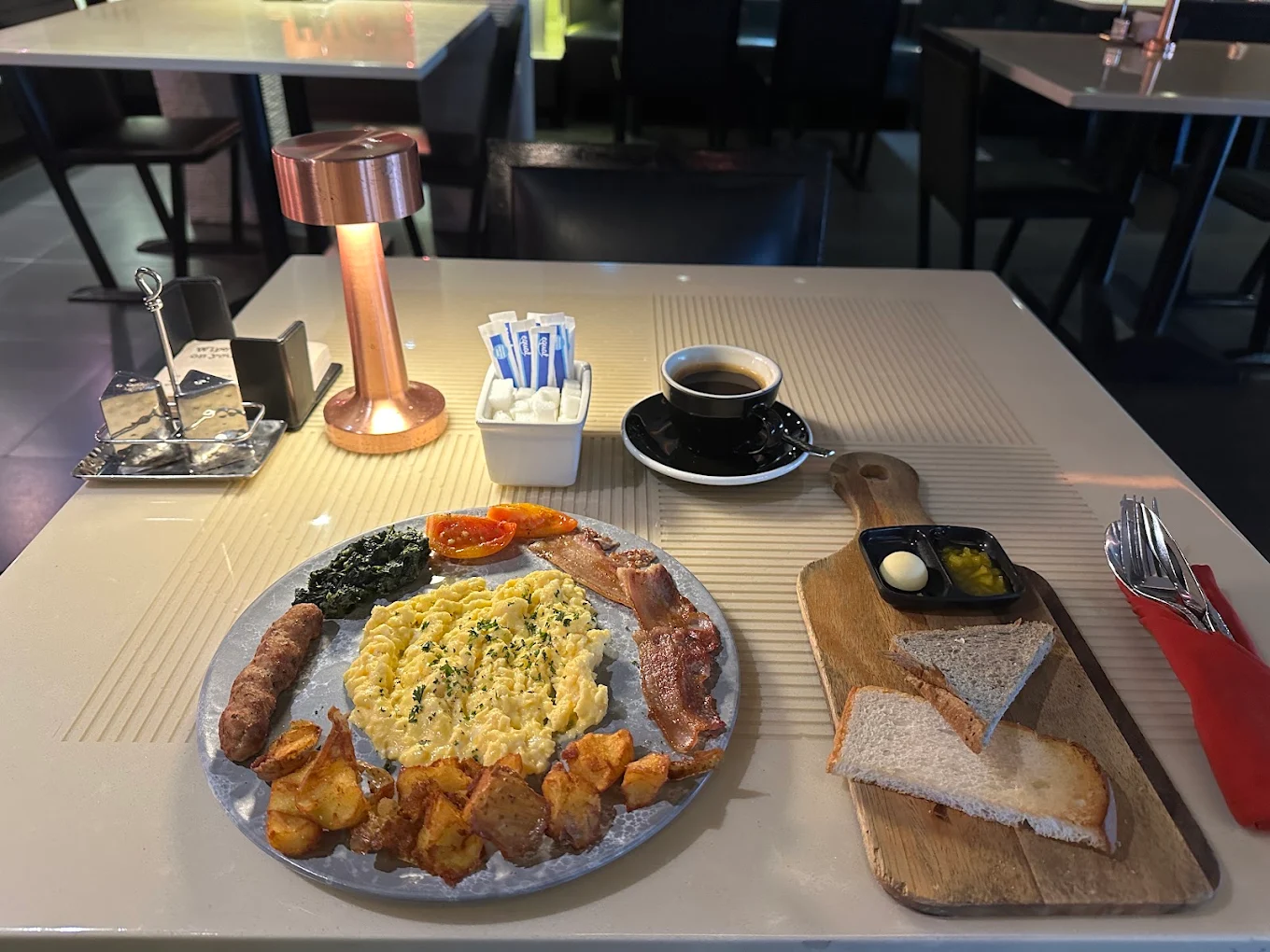
Kra Phao is one of Thailand’s most popular comfort dishes.
Traditionally, it combines basil, garlic, chili, meat, jasmine rice, and a fried egg.
At Indulge, this familiar Thai flavor profile is paired with rib eye beef as a signature main.
The dish maintains the bold character of traditional Kra Phao while introducing a premium ingredient and modern presentation.
It represents how classic Thai dishes can continue to evolve into a signature main while staying true to their traditional roots.
Red Curry River Prawn
Thai curry traditions vary across regions, but curry remains one of the most important parts of Thai cuisine.
The Red Curry River Prawn combines wild-caught river prawns with spicy Thai red curry and eggplant confit.
As a signature main, the dish highlights traditional Thai curry flavors while presenting them in a contemporary restaurant style.
It also reflects Thailand’s connection with seafood, fresh ingredients, and bold regional flavors.
Lamb Shank Massaman
Massaman curry is a great example of how Thai food has developed through cultural exchange.
The dish contains influences from international spice traditions while becoming an important part of Thai cuisine.
Indulge’s Lamb Shank Massaman combines New Zealand lamb with traditional Thai herbs and spices.
The slow-cooked preparation creates a rich dish that connects historical influences with modern dining.
Papilotte Salmon With Tom Yum Bouillon
Tom Yum is one of Thailand’s most recognizable flavor profiles.
Its combination of herbs, citrus, and spice has become famous worldwide.
Indulge’s Papilotte Salmon introduces these flavors through a modern seafood preparation, combining salmon with tom yum bouillon, tomato confit, lotus seeds, and spinach.
This demonstrates how traditional Thai flavors can be reimagined through contemporary cooking.
Why Explore Regional Thai Food in Bangkok?
Trying regional Thai food helps visitors understand that Thai cuisine is not one single style.
Each region offers different experiences:
Northern Thailand introduces herbal and slow-cooked dishes.
Isan provides bold and spicy flavors.
Central Thailand showcases balanced and refined cuisine.
Southern Thailand highlights seafood and strong spices.
Exploring these differences makes dining in Bangkok more meaningful because every dish connects to a specific place and tradition.
Regional Thai Food and Sharing Dining Culture
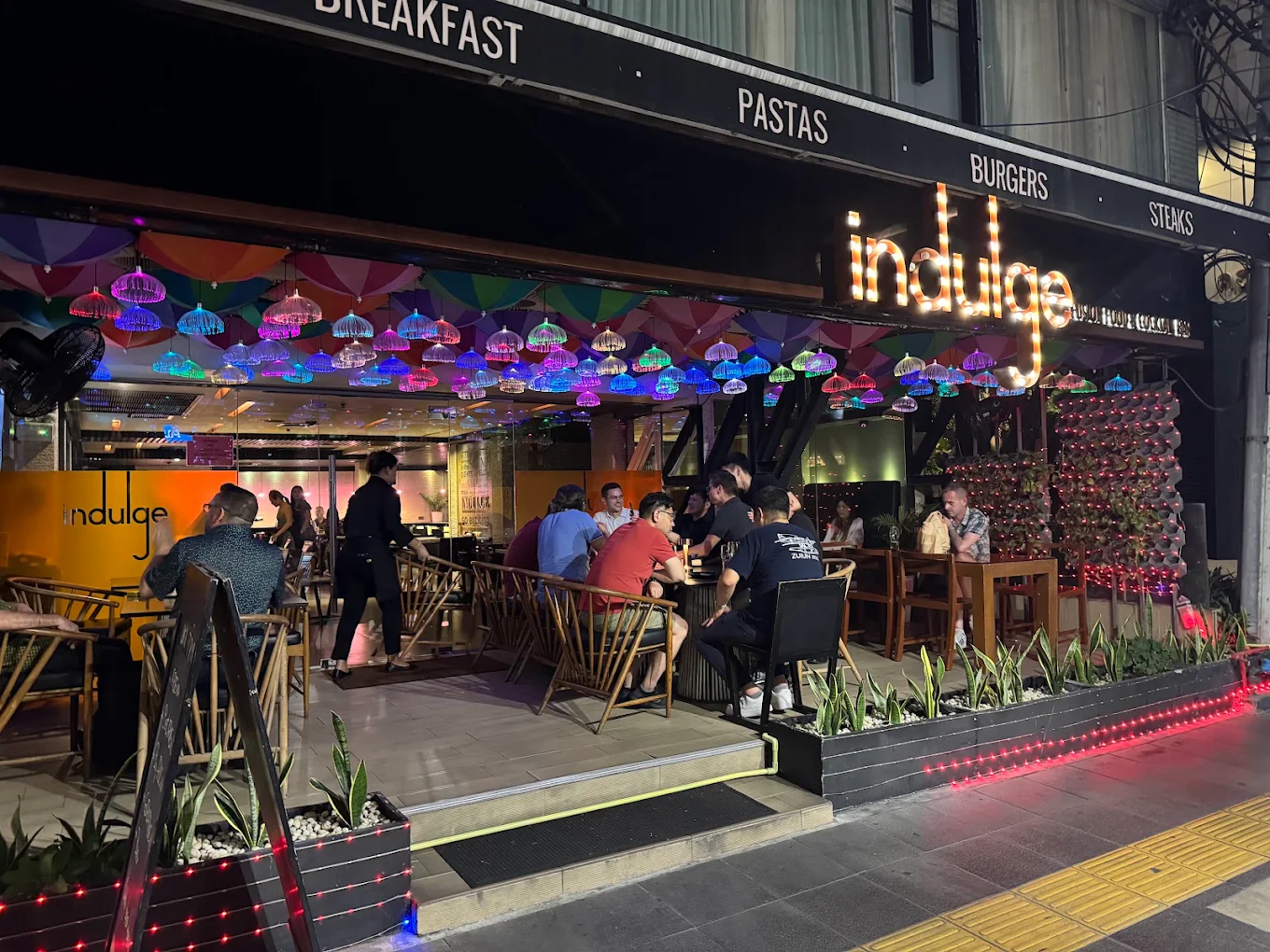
Thai dining is often centered around sharing.
Instead of ordering one dish per person, groups usually order several dishes and enjoy different flavors together.
This tradition allows diners to experience more variety during one meal.
At Indulge, the Starters & Sharing menu follows this approach with dishes designed for sharing, including:
- Tom Yum Fries
- Shrimp Popcorn
- Crispy Fried Spring Rolls
- Red Curry Chicken Confit
- Calamari Fritters
Sharing allows guests to explore different flavors before moving to Signature Mains.
Pairing Thai Food With Modern Drinks
Thai cuisine is also connected with creative beverage experiences.
The balance of herbs, spices, citrus, and fresh ingredients creates opportunities for unique drink pairings.
At Indulge, the cocktail menu includes creations inspired by local flavors.
The Thai Basil Smash combines gin with Thai sweet basil, lemon, and lime, creating a drink that connects traditional Thai ingredients with modern cocktail culture.
Experience Regional Thai Food at Indulge Bangkok
Thailand’s culinary identity comes from the diversity of its regions.
Northern herbs, Isan spices, Central Thai traditions, and Southern seafood all contribute to the food culture that makes Thailand unique.
Today, Bangkok continues this evolution by bringing different regional influences together through modern restaurants.
At Indulge Fusion Food & Cocktail Bar, guests can experience Thai-inspired dishes that combine traditional flavors with international ingredients and contemporary techniques.
From Basil Leaf Kra Phao With Rib Eye Beef, Red Curry River Prawn, Lamb Shank Massaman, and Papilotte Salmon, Indulge offers a modern perspective on the flavors that have shaped Thai cuisine.
For anyone looking to explore regional Thai food, Indulge provides an opportunity to experience Thailand’s culinary diversity in the heart of Sukhumvit.
FAQ: Regional Thai Food
What are the main regions of Thai food?
The four main regions are Northern Thailand, Northeastern Thailand (Isan), Central Thailand, and Southern Thailand.
How is Northern Thai food different?
Northern Thai food focuses on herbs, slow cooking, grilled dishes, and mild aromatic flavors.
What makes Southern Thai food unique?
Southern Thai food is known for seafood, strong spices, coconut-based dishes, and bold flavors.
Where can I experience regional Thai flavors in Bangkok?
Restaurants like Indulge Fusion Food & Cocktail Bar offer Thai-inspired dishes that combine traditional flavors with modern dining techniques.