
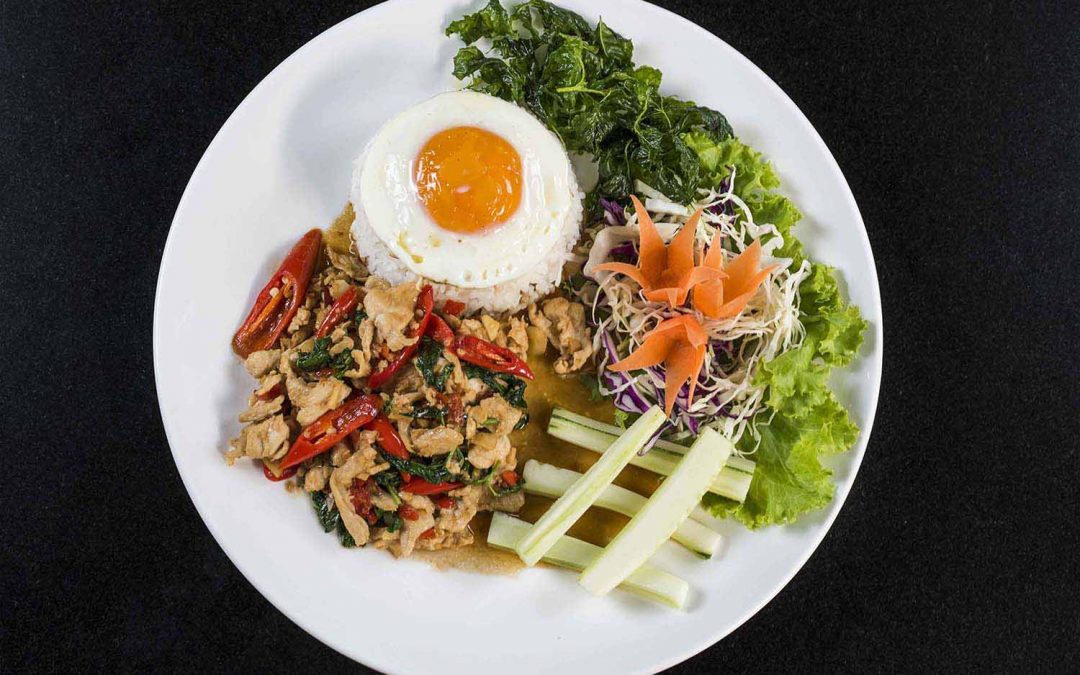
Thai cuisine is recognized worldwide for its balance of flavors, colorful presentation, and unique combination of herbs, spices, and fresh ingredients.
However, Thai food has never developed in isolation.
Throughout history, Thailand has interacted with different countries and cultures through trade, migration, and regional connections. These relationships introduced new ingredients, cooking techniques, and ideas that gradually became part of Thai food culture.
Today, Thai cuisine represents a combination of tradition and evolution. While many classic Thai dishes continue to follow traditional recipes, modern restaurants are also exploring new ways to present Thai flavors through contemporary cooking.
At Indulge Fusion Food & Cocktail Bar, this evolution can be seen through a modern approach to Thai-inspired dining. The menu combines Thai flavors with international ingredients, creating dishes that respect traditional influences while offering a fresh dining experience in Bangkok.
How Thai Cuisine Developed Through Cultural Exchange
Food often travels with people.
As merchants, travelers, and communities moved between countries, they brought ingredients, cooking methods, and culinary traditions with them.
Thailand’s location in Southeast Asia made it an important meeting point for different cultures. Over centuries, influences from neighboring countries and international trade partners helped shape the ingredients and techniques used in Thai cooking today.
Some of the strongest influences came from:
- China
- India
- Portugal
- Persia and the Middle East
- Neighboring Southeast Asian countries
These influences did not replace Thai cooking. Instead, Thai chefs adapted new ideas and combined them with local ingredients, creating the distinctive cuisine Thailand is known for today.
Chinese Influence on Thai Food
Chinese cuisine has had one of the most significant influences on Thai food culture.
Chinese migration introduced several important cooking techniques and ingredients, including:
- Stir-frying
- Noodles
- Dumplings
- Soy products
- Wok cooking
Many popular Thai dishes reflect Chinese influence while developing their own Thai identity.
For example, noodle dishes became an important part of Thai cuisine. Chinese-style cooking techniques were adapted with Thai ingredients such as chili, lime, herbs, and local spices.
The use of a wok also became an essential cooking method in many Thai kitchens, allowing chefs to quickly cook ingredients while maintaining texture and freshness.
Indian Influence on Thai Curry and Spices
Indian cuisine also played a major role in shaping Thai flavors, particularly through the use of spices and curry traditions.
Many Thai curry dishes use techniques and ingredients influenced by Indian cooking, but Thailand developed its own versions using local herbs, coconut milk, and regional ingredients.
Thai curries are different from Indian curries because they often focus on fresh herbs and aromatic pastes.
Ingredients such as:
- Lemongrass
- Galangal
- Kaffir lime
- Thai basil
- Chili
- Coconut milk
create the flavor profiles that make Thai curry unique.
Today, dishes such as Massaman curry demonstrate how different cultural influences became part of Thai cuisine.
Portuguese Influence on Thai Desserts
Portugal introduced several ingredients and techniques that influenced Thai desserts.
One important example is the use of egg-based desserts.
Portuguese culinary traditions introduced techniques involving egg yolks and sugar, which were later adapted into Thai sweets.
Thai desserts developed their own identity by combining these techniques with local ingredients such as:
- Coconut milk
- Palm sugar
- Tropical fruits
- Rice flour
This combination created desserts that are now considered an important part of Thai food culture.
Middle Eastern and Persian Influences on Thai Cuisine
Trade routes between Thailand and other regions also introduced new culinary ideas.
Persian and Middle Eastern influences contributed to dishes involving:
- Spices
- Slow cooking methods
- Rice-based dishes
- Rich sauces
Massaman curry is one of the best-known examples of these influences.
The dish includes aromatic spices and cooking methods that reflect international connections while remaining a recognized part of Thai cuisine.
At Indulge, the Lamb Shank Massaman represents this connection between traditional Thai flavors and influences from global culinary history.
The dish combines slow-cooked New Zealand lamb with Thai herbs and spices, creating a modern interpretation of a historically influenced Thai dish.
How Foreign Influences Created Modern Thai Cuisine

Thai cuisine continues to evolve because food culture never stays completely unchanged.
Modern chefs continue this tradition by combining Thai ingredients with international techniques and premium ingredients.
This is where concepts such as Thai fusion food Bangkok have become increasingly popular.
Modern Thai cuisine often includes:
- Traditional Thai flavors
- International ingredients
- Contemporary presentation
- New cooking techniques
The goal is not to remove the identity of Thai food but to create new ways for people to experience it.
Thai Cuisine at Indulge Fusion Food & Cocktail Bar
Indulge follows this modern approach by combining Thai-inspired flavors with international dining concepts.
The restaurant’s menu reflects how Thai cuisine can evolve while maintaining connections to traditional ingredients and flavors.
Examples include:
Basil Leaf Kra Phao With Rib Eye Beef
A modern interpretation of a classic Thai comfort dish.
Traditional Kra Phao flavors such as Thai basil, garlic, and chili are combined with premium rib eye beef, jasmine rice, and a fried egg.
Red Curry River Prawn
Thai red curry is paired with wild-caught river prawns and eggplant confit, combining traditional Thai flavors with premium seafood.
Papilotte Salmon With Tom Yum Bouillon
A modern seafood dish that introduces the aromatic flavors of tom yum through a contemporary preparation.
Lamb Shank Massaman
A dish that reflects the historical influence of international spices within Thai cuisine.
Thai Cuisine and the Future of Dining in Bangkok
Bangkok’s food scene continues to develop because it combines respect for tradition with a willingness to experiment.
Traditional Thai restaurants preserve classic recipes, while modern restaurants explore new interpretations.
Both approaches are important.
Traditional cuisine connects people with history and culture.
Modern Thai cuisine introduces those same flavors to new audiences through different formats.
This balance is one of the reasons Thai food remains popular around the world.
Why Understanding Thai Food History Makes Dining More Interesting
Knowing where Thai dishes come from changes the way people experience food.
A curry is not simply a curry. It represents centuries of cultural exchange.
A noodle dish is not only a meal. It reflects migration, trade, and adaptation.
A modern Thai fusion dish is not separate from tradition. It is another stage in the continuous development of Thai cuisine.
For visitors exploring Bangkok, understanding these influences creates a deeper appreciation of the food they experience.
Experience Modern Thai Cuisine in Bangkok
Thai cuisine has always been shaped by different cultures, ingredients, and ideas.
The influences from China, India, Portugal, Persia, and neighboring regions helped create the diverse food culture Thailand is known for today.
At Indulge Fusion Food & Cocktail Bar, guests can experience this evolution through Thai-inspired dishes that combine traditional flavors with modern techniques and international ingredients.
From Basil Leaf Kra Phao With Rib Eye Beef and Red Curry River Prawn to Lamb Shank Massaman and Papilotte Salmon, the menu reflects how Thai cuisine continues to evolve while respecting its origins.
For anyone looking to explore Thai food culture in Bangkok, Indulge offers a modern dining experience that connects history, creativity, and contemporary cuisine.
FAQ: Thai Cuisine
What influenced Thai cuisine the most?
Thai cuisine was influenced by several cultures, including Chinese, Indian, Portuguese, Persian, and neighboring Southeast Asian cuisines.
How did foreign countries influence Thai food?
Foreign influences introduced ingredients, cooking methods, spices, and techniques that Thai chefs adapted using local flavors and ingredients.
What makes Thai cuisine unique?
Thai cuisine is known for balancing sweet, sour, salty, spicy, and aromatic flavors using fresh herbs, spices, and local ingredients.
Is modern Thai cuisine different from traditional Thai food?
Modern Thai cuisine builds on traditional flavors while introducing new ingredients, cooking techniques, and presentations.